Vintage Retro Skunk Svg Design Review
When I sit down to evaluate a new digital asset for my embroidery studio, I am rarely looking at just a picture. I am looking at the end product: how it sits on fabric, how it holds up after twenty washes, and whether it adds enough character to justify the customer’s money. Today, I am putting Vintage Retro Skunk Svg Design through that same rigorous mental test. This is an instant download graphic file intended for cutting machines like Cricut or Silhouette, but its aesthetic translates surprisingly well into the world of textile art. As a designer who bridges the gap between digital graphics and physical handmade products, I want to share my practical insights on where this design shines and where it might cause headaches.
The First Impression: Mood and Visual Personality
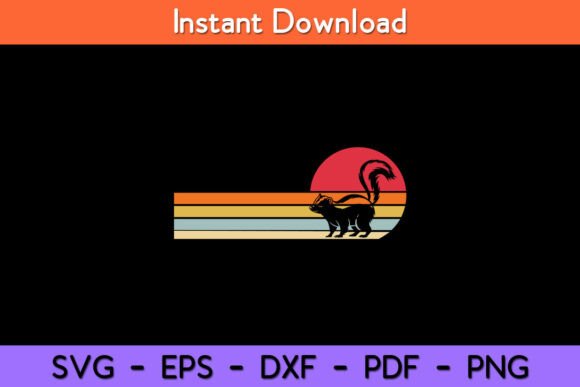
The moment you open the file, the "vintage retro" vibe hits you immediately. In my experience, successful embroidery project designs rely heavily on mood. A skunk can easily look cartoonish or overly aggressive if not handled with care, but this specific iteration leans into a nostalgic, mid-century illustration style. The lines are clean, the proportions are slightly exaggerated in a charming way, and the overall composition feels balanced.
For an Etsy seller or small shop product creator, this visual personality is gold. It doesn’t scream for attention; it invites a closer look. This subtlety is crucial when you are designing for custom apparel or personalized gifts. You want the wearer to feel like they are wearing something curated, not mass-produced. The design has a distinct visual weight that suggests it will hold its own against other elements on a garment, such as text or secondary logos, without getting lost.
Real-World Application: From Screen to Stitch
Let’s talk about the actual use case. I often imagine these files being used for tote bag design projects or perhaps a sweatshirt embroidery piece for a boutique brand. While the source file is an SVG meant for vinyl or cardstock, the strong outlines make it an excellent candidate for applique work or even as a guide for free-motion embroidery techniques.
If I were to produce a line of craft business merchandise featuring this skunk, I see it performing exceptionally well on canvas totes or heavy cotton aprons. The retro theme pairs beautifully with earth tones, mustard yellows, and deep forest greens. When translating this into a machine embroidery design context, the clean curves of the skunk’s tail and body allow for smooth satin stitch work, provided the digitizer pays attention to corner points. For those using it as a base for applique design workflows, the distinct separation of shapes means fewer tedious trimming steps during production.
I also envision this working wonderfully for holiday embroidery collections. Skunks are often associated with springtime or quirky Halloween themes, but the vintage aesthetic softens the edge, making it suitable for year-round giftability. It feels timeless rather than trendy, which is a key factor in building long-term brand consistency.
Where to Exercise Caution
No design is perfect for every surface, and Vintage Retro Skunk Svg Design is no exception. There are specific scenarios where this file requires careful handling to ensure a professional finished product.
- Small Hoop Sizes: If you attempt to digitize this for very small hoops (under 4x4 inches), you may lose some of the subtle detailing that gives the design its charm. Tiny lettering or fine whisker details could become muddy blobs of thread.
- Textured Fabrics: While great on smooth cottons and linens, applying this to highly textured fabrics like chunky knits or bouclé can obscure the crisp lines of the retro style. The contrast between the fabric texture and the design detail can clash.
- Stretchy Fabrics: If you are working on caps or fitted t-shirts made from jersey or spandex blends, you must be vigilant about puckering. The density of the fill areas needs to be balanced with a high-quality stabilizer to prevent the garment from distorting.
- Dense Stitch Areas: Avoid placing dense fill stitches directly over seams or layered garments unless absolutely necessary. This can create uncomfortable lumps and increase the risk of thread breaks.
Technical Considerations for the Designer
Before committing to a large production run, there are several non-negotiable steps any serious digital product seller should take. First, always test the design on scrap fabric. This isn't just about checking the fit; it is about observing how the thread colors interact with your chosen material. Does the black outline pop against a navy blue background? Is the white fur detail visible enough?
I strongly recommend creating a printable mockup in black and white first. This strips away color distractions and allows you to evaluate the shape integrity and balance of the composition. If the design looks weak in grayscale, it will likely struggle in full color. Additionally, inspect the small details closely. Are the eyes expressive? Is the tail curve natural? These micro-details are what separate a professional look from a amateur one.
Furthermore, confirm the licensing terms before selling any commercial embroidery items. Even though this is a high-quality graphics asset, usage rights vary. Ensure you have the permission to sell finished goods derived from this design assets package. Ignoring this step can lead to costly legal issues down the line.
Final Verdict: Value and Versatility
In conclusion, Vintage Retro Skunk Svg Design is a versatile, high-character asset that brings a touch of nostalgia to modern crafting. It excels in personalized gifts and boutique branding where uniqueness is paramount. Whether you are creating baby embroidery items for a nursery collection or adding a quirky logo to a kitchen towel, this design offers a reliable foundation for creative expression.
Its strength lies in its clarity and mood. It does not try to do too much, which makes it easier to integrate into larger compositions. For the maker who values quality and aesthetic cohesion, this file is a smart addition to their library. Just remember to respect the limitations of the medium—test your stitches, choose your fabrics wisely, and always prioritize the tactile experience of the final piece. When executed correctly, this design has the potential to drive buyer engagement and turn casual browsers into loyal customers who appreciate the handmade touch.