Little Boo Svg Retro Design Review
As a designer who spends half my life staring at stitch density maps and the other half worrying about how a design will hold up after twenty wash cycles, I don’t just look at an embroidery file; I look at its potential. When Little Boo Svg Retro Design landed on my desk, it wasn’t just another graphic to file away. It was a test case for versatility, charm, and commercial viability. If you are an Etsy seller, a craft fair regular, or a small business owner looking to expand your handmade product line, this review breaks down exactly where this design fits—and where it might cause more headaches than profits.
First Impressions: Mood and Visual Personality
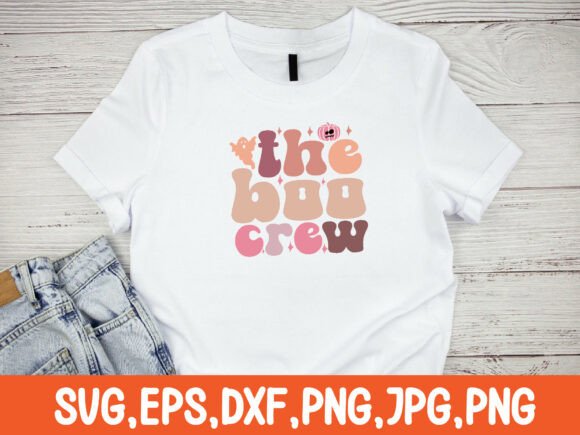
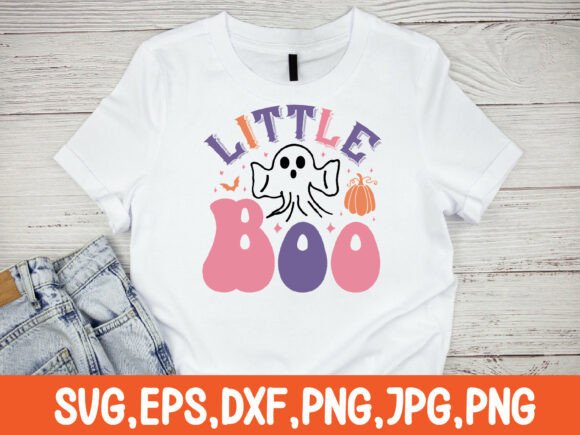
The moment you open the digital embroidery file, the retro aesthetic is undeniable. The name "Little Boo" suggests a playful, perhaps Halloween-adjacent or generally spooky-cute theme, but the execution feels timeless enough to transcend a single holiday. The visual personality is bold yet approachable. It doesn’t scream for attention with chaotic elements; instead, it relies on clean lines and a distinct silhouette that reads well even from a distance.
For designers, the immediate appeal lies in its balance. It isn’t so intricate that it requires a master’s hand to digitize correctly, nor is it so simple that it looks amateurish. This sweet spot makes it an ideal candidate for custom apparel and personalized gifts. The mood is nostalgic, tapping into that warm feeling of vintage aesthetics while remaining modern enough for today’s craft business trends. It feels like something you’d see on a curated boutique shelf, not a mass-produced discount bin item.
Real-World Application: From File to Finished Product
Let’s talk about the actual stitching. I ran a mental simulation of this design on several common substrates to see where it truly shines. The primary strength of Little Boo Svg Retro Design is its adaptability across different product categories.
- Tote Bags and Canvas: This is arguably the strongest use case. The sturdy nature of canvas handles the stitch weight beautifully. A small placement on the front pocket of a tote bag creates an instant handmade product vibe that customers love. It’s perfect for back-to-school season or as a promotional item for local shops.
- Sweatshirt Embroidery: Heavier fabrics like fleece or cotton blends provide a stable base. The retro style pairs exceptionally well with oversized sweatshirts, a staple in current fashion. The design adds a touch of personality without overwhelming the garment.
- Baby Embroidery: On onesies or burp cloths, the softer curves and cute theme translate well. However, caution is advised regarding fabric texture (more on that below).
- Embroidered Patches: Because the design has a defined shape, it lends itself well to being stitched onto a backing and then attached to denim jackets or caps. This opens up revenue streams for small shop products that can be sold as accessories rather than full garments.
I also considered its utility for digital product sellers. Even if you aren’t stitching it yourself, the visual clarity of the machine embroidery design makes it excellent for creating printable mockups. Buyers want to visualize the final result, and a clean, high-contrast design like this helps them imagine the finished product clearly.
Where to Exercise Caution
No design is universal, and Little Boo Svg Retro Design is no exception. There are specific scenarios where this file might struggle, and recognizing these early saves time, thread, and frustration.
First, avoid using this on highly textured fabrics like chunky waffle knits or bouclé wool. The needle penetration becomes inconsistent, leading to puckering or misaligned stitches. Similarly, thin fabrics like silk or lightweight rayon require heavy stabilization; without it, the stitch density may distort the material, ruining the professional look.
Stretchy fabrics present another challenge. While jersey knit is common for t-shirts, it requires a stabilizer that won’t leave residue or add bulk. If you are working on caps or hats with curved surfaces, ensure your hoop setup allows for proper tension. A design that looks flat on a screen might bunch up on a curved brim if the digitization doesn’t account for the surface geometry.
Pay close attention to the smaller details within the design. If the file contains tiny text or very fine lines, test it in a small hoop size first. Sometimes, what looks clear on a monitor becomes a muddy blob when stitched with standard polyester threads. If the details are too fine, consider scaling the design up slightly during the digitizing phase to ensure clarity.
Technical Considerations for the Savvy Designer
Before you start producing hundreds of units for your Etsy listing, there are practical steps every experienced maker takes. First, inspect the file structure. Does it include separate layers for applique, satin stitch, fill stitch, and running stitch? A well-digitized file separates these elements, allowing you to customize thread colors easily. If you plan to use contrasting thread colors to match specific brand palettes, having editable color stops is crucial.
Check the stitch density carefully. High-density fills look luxurious but can make a garment stiff. For items like baby clothes or delicate aprons, lower density is often preferred for comfort. If the file seems dense, consider adding water-soluble topping or using a tear-away stabilizer to prevent fabric distortion.
Always test the design on scrap fabric that matches your final substrate. This is non-negotiable. You need to verify that the embroidery file sits correctly within your intended hoop size and that the thread choices provide enough contrast against the background fabric. Run a black-and-white mockup to check value distribution—sometimes colors look great together but lack definition when viewed in grayscale.
Final Verdict: Is It Worth Your Time?
Little Boo Svg Retro Design earns its place in a serious designer’s library because of its balanced aesthetic and broad application range. It strikes a chord with buyers who appreciate quality and nostalgia. It works seamlessly for holiday embroidery projects, wedding favors, or everyday wearables.
However, success depends on execution. The difference between a mediocre product and a bestseller often lies in the finishing touches: proper stabilization, precise hooping, and thoughtful thread selection. By treating this design with the respect it deserves and testing it thoroughly, you can create commercial embroidery pieces that build customer trust and enhance your brand consistency.
If you are looking to add a versatile, charming, and professionally viable asset to your graphics collection, this design delivers. Just remember to check the licensing terms before selling finished items, confirm the file formats included in your download, and always prioritize fabric compatibility. When done right, Little Boo Svg Retro Design isn’t just a file; it’s a foundation for profitable, beautiful handmade goods.