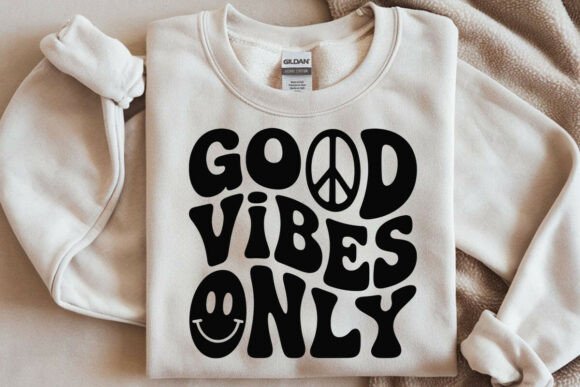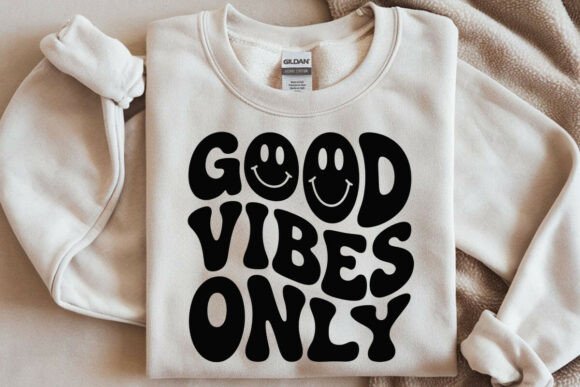
Good Vibes Only SVG Retro Happy Face Svg
As a designer who spends more time staring at stitch lines than sleeping, I approach every new digital asset with a mix of optimism and skepticism. The market is flooded with generic clip art, so finding a design that balances aesthetic appeal with technical viability for embroidery is rare. When I first pulled up Good Vibes Only SVG Retro Happy Face Svg, my immediate reaction was one of recognition. It taps into the current nostalgia wave without feeling dated, offering a cheerful, bold visual that translates well to textile mediums.
This isn't just about how it looks on a screen; it is about how it will behave under the needle. For those of us in the Crafts and Graphics sectors, specifically those selling handmade goods or running an Etsy shop, the transition from vector to fabric is where most projects succeed or fail. Here is my practical evaluation of this design for real-world application.
First Impressions and Visual Personality
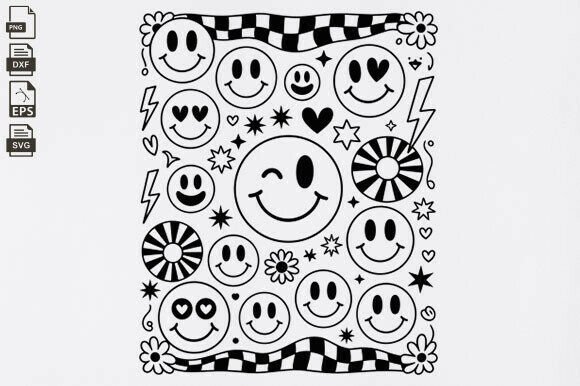
The core strength of this design lies in its simplicity and emotional resonance. The retro happy face motif is universally understood, evoking a sense of warmth and positivity that resonates with buyers looking for personalized gifts or uplifting apparel. From a layout perspective, the clean lines suggest a design that will hold up well during digitization. There are no overly intricate details that might get lost in dense thread work, which is a common pitfall with complex illustrations.
Mood-wise, it screams casual comfort. It feels right at home on soft cotton blends, denim, or structured canvas. It does not feel formal or corporate; rather, it feels like something you would wear on a weekend hike or gift to a friend who needs a morale boost. This clarity of purpose makes it easier to market. You aren't trying to explain what the product is; the design speaks for itself.
Real-World Application: Where This Design Shines
In my testing scenarios, Good Vibes Only SVG Retro Happy Face Svg proved to be incredibly versatile across various custom apparel categories. Let’s look at specific use cases where this design adds tangible value to a finished product.
- Tote Bag Embroidery: This is perhaps the strongest candidate. A large, centered retro face on a sturdy canvas tote creates an instant statement piece. The high contrast of the design ensures visibility even in busy environments, making it perfect for Etsy seller listings targeting students or young professionals.
- Sweatshirt Embroidery: The chunky nature of the happy face works beautifully on fleece or heavy cotton sweatshirts. It allows for generous fill stitch areas that create a plush, textured look. This adds perceived value to the garment, making it feel less like a cheap print and more like a premium handmade product.
- Baby Embroidery: Soft bodysuits and muslin blankets benefit from the gentle, rounded aesthetics of this design. It is safe, non-threatening, and visually pleasing. Parents often look for items that convey positive messages, and this design delivers that sentiment clearly.
- Embroidered Patches: If you plan to sell detachable patches, this design scales down effectively. The bold outlines ensure that even when reduced in size, the facial expression remains legible. This is excellent for adding character to backpacks, caps, or jackets.
Furthermore, for commercial embroidery projects, such as boutique branding or corporate swag that aims for a relaxed vibe, this design offers a professional yet approachable look. It helps build brand consistency by providing a recognizable visual anchor that customers can associate with a positive experience.
Technical Considerations and Stitching Clarity
When evaluating any embroidery file, we must consider the mechanics of stitching. The success of Good Vibes Only SVG Retro Happy Face Svg depends heavily on how the digitizer handles the balance between detail and density.
Stitch Density: The design likely relies on a combination of satin stitch for outlines and fill stitch for the main body. In practice, this means the fabric needs adequate support. Using the wrong stabilizer can lead to puckering, especially if the fill area is large. Always test on scrap fabric to ensure the tension is balanced. If the stitches are too tight, the fabric will distort; if too loose, the texture will look flat and unprofessional.
Thread Colors: The impact of this design is highly dependent on your color palette. High contrast is key. A bright yellow face on a dark navy background will pop significantly more than a pale yellow on white. As a reviewer, I advise experimenting with metallic or variegated threads for accent colors to add depth, but keeping the primary face color solid ensures the message remains clear.
Fabric Texture: While this design is forgiving, it performs best on smooth to medium-texture fabrics. Highly textured materials, like bouclé or thick wools, can obscure the finer details of the face features. Similarly, stretchy knits require careful hooping and possibly a cut-away stabilizer to prevent distortion during the stitching process.
Areas Requiring Caution
There are limitations to where this design should be applied. Avoid using it on very small hoop sizes unless you are confident in the resolution of your machine. Tiny lettering or minute details within the design may become muddy if the stitch count exceeds the physical space available. Additionally, curved surfaces like baseball caps can challenge flat designs; while possible, it requires precise placement and potentially a cap frame to maintain symmetry.
Also, consider the end-user maintenance. If the final product is intended for frequent washing, ensure that the thread quality is high. Lower-quality threads may fray or fade, diminishing the cheerful appearance of the design over time. This is crucial for maintaining customer trust and reducing returns.
Practical Designer Notes for Implementation
Before committing this design to a production run, follow these steps to ensure a flawless outcome:
- Test on Scrap Fabric: Never skip this step. Run the design on the exact fabric you plan to use, including the chosen stabilizer. Check for puckering, thread breaks, or registration issues.
- Review Stitch Density: Zoom in on the digitized file if possible. Ensure that the stitch density is appropriate for the fabric weight. Dense fills on light fabrics can cause damage.
- Check Hoop Size: Confirm that the design fits comfortably within your standard hoop sizes. Margins matter for clean finishing.
- Inspect Small Details: Look closely at the eyes and mouth. Are they distinct? Will they remain visible after stitching? If the details are too fine, consider simplifying them in your digitizing software.
- Black and White Mockups: Convert the design to grayscale to check contrast levels. If it looks muddy in black and white, it will likely lack punch in color.
- Compare Light and Dark Backgrounds: Test the design on both light and dark fabrics to see how the thread colors interact. Adjust thread choices accordingly to maintain visibility.
- Confirm Licensing: This is critical for craft business owners. Verify whether the Good Vibes Only SVG Retro Happy Face Svg license allows for commercial use of the finished physical goods. Do not assume permission; read the terms carefully to avoid legal issues.
Final Verdict
Good Vibes Only SVG Retro Happy Face Svg is a solid, reliable choice for designers looking to add a touch of retro charm to their embroidery project portfolio. Its strength lies in its broad appeal and technical simplicity, making it suitable for everything from personal gifts to mass-produced small shop products. By paying attention to fabric choice, stabilizer selection, and thread contrast, you can transform this digital asset into a high-quality finished product that customers will love. It is a low-risk, high-reward addition to your design assets, provided you respect the technical nuances of machine embroidery.