What is Even Happening, Retro Bear Svg Review
As a designer who spends more time than I care to admit staring at stitch charts and testing thread tension, I approach every new machine embroidery design with a healthy dose of skepticism. The market is flooded with digital assets that look charming in a preview window but fall apart when the needle hits the fabric. That is why I take the time to evaluate these files not just as images, but as functional blueprints for production. Today, I am putting the "What is Even Happening, Retro Bear Svg" under the microscope. This listing falls squarely into the Crafts and Graphics categories, offering an instant download of vector-based files intended for cutting and digitizing workflows. But does it hold up as a viable asset for serious embroidery projects?
First Impressions: Mood and Visual Personality
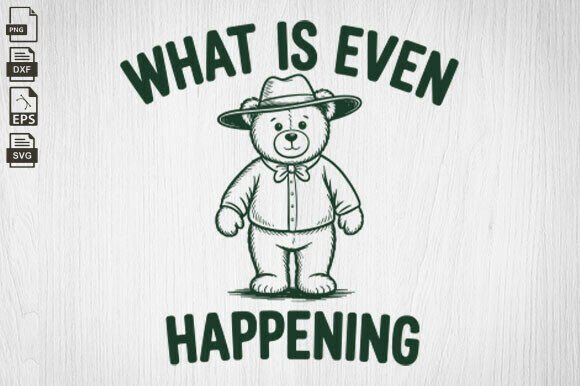
The moment you load this file into your workspace, the retro aesthetic is unmistakable. The bear figure carries a distinct nostalgic vibe, leaning heavily into the groovy, slightly chaotic energy that has become so popular in contemporary handmade goods. It feels less like a traditional nursery character and more like a statement piece meant for someone who appreciates irony and humor. For an embroidery project, this personality is crucial. It suggests that the finished product should be bold, casual, and unapologetically fun.
The layout appears balanced, which is the first hurdle any good embroidery file must clear. The text "What is Even Happening" curves around or sits alongside the bear in a way that suggests a cohesive unit rather than two separate elements forced together. In my experience, designs that rely on tight kerning or complex typography often suffer from thread breaks or puckering if not digitized correctly. Here, the visual weight seems distributed evenly, hinting that the underlying structure might handle stitch density well. It creates a mood that is perfect for the current trend of personalized gifts that double as conversation starters.
Real-World Application: From Screen to Stitch
To truly judge a design, you have to imagine it on a garment. Let’s walk through a practical scenario. Imagine you are preparing inventory for a holiday craft fair or updating your Etsy shop for the upcoming season. You decide to create a line of custom embroidered tote bags featuring this bear. The canvas material provides a stable base, allowing the satin stitch outlines to pop without distortion. Because the design has a strong graphic quality, it translates beautifully onto the flat surface of a tote bag, creating a high-contrast handmade product that stands out on social media.
However, the real test comes with apparel. This design would shine on a heavyweight sweatshirt embroidery project. The thick cotton blend of a hoodie can support the fill stitch areas required for the bear’s body, preventing the fabric from showing through the thread. The retro theme pairs naturally with vintage-wash fabrics, enhancing the overall aesthetic. Similarly, for a baby embroidery collection, this could work on a burp cloth or a milestone blanket, provided the color palette is softened. The phrase adds a layer of relatable humor for exhausted parents, making it a highly desirable personalized gift.
I also see potential in small business merchandise. Boutique branding often relies on subtle yet recognizable logos. If adapted slightly, this bear could serve as a chest logo on aprons or kitchen towels. The durability of the design means it can withstand frequent washing, a key requirement for commercial embroidery items that will see heavy use. When customers buy a finished product with this level of thoughtful design, they perceive higher value, which directly impacts customer trust and repeat sales.
Where Caution is Required
Not every application is a winner, and as a reviewer, I must highlight where this design might struggle. First, consider hoop size limitations. While the design looks manageable, attempting to stitch it on a tiny cap or a curved hat brim requires careful planning. Curved surfaces can distort the perspective of the bear, making the retro angles look warped unless you use specialized stabilizers and proper hooping techniques. Additionally, thin or stretchy fabrics pose a risk. Without adequate stabilizer support, the tension from the threads could pucker the fabric, ruining the clean lines of the running stitch details.
Dark fabrics present another challenge. If the original design uses light-colored threads for highlights, you may need to add a backing layer or adjust your thread colors to ensure contrast. Conversely, placing this on very textured fabrics, like chunky knits or fleece, might obscure the finer details of the bear’s face. In such cases, the design loses its impact. I also advise caution with small patches. If the final stitched area is too small, the intricate details of the text and the bear’s features may merge into a muddy blob, defeating the purpose of the embroidered patch. Always inspect small details before committing to mass production.
Practical Designer Notes for Success
Before you upload this digital embroidery file to your machine, there are several steps I recommend taking to ensure a professional result. First, always test the design on scrap fabric that matches the texture and weight of your final material. This allows you to check thread color contrast and observe how the stitch density interacts with the weave of the cloth. A common mistake is assuming that a design will look the same on polyester as it does on cotton; they do not.
Review the file for any overly dense areas. High-density zones can cause thread jams or needle breaks, especially if you are using lower-quality thread. If possible, convert the design to a black-and-white mockup to check the balance of positive and negative space. This helps identify if any parts of the design are too sparse or too crowded. Furthermore, confirm whether the design works for both personal and commercial projects. Since this is sold as a graphic asset, verify the licensing terms if you plan to sell the finished items. Using a design for craft business purposes without the proper rights can lead to legal issues down the road.
Finally, think about your presentation. For an Etsy seller or small shop product owner, the way you display this design matters. Create printable mockups that show the bear on various garments—a tote bag, a sweatshirt, a pillow cover. This helps buyers visualize the design assets in their own lives. Use proper lighting to capture the sheen of the threads and the depth of the applique design elements if applicable. A professional presentation reinforces the quality of your work and encourages buyer engagement.
Final Verdict
The "What is Even Happening, Retro Bear Svg" is a strong contender for designers looking to add a touch of humor and nostalgia to their collections. Its clear visual hierarchy and trendy aesthetic make it suitable for a wide range of applications, from tote bag design ideas to unique holiday embroidery gifts. However, success depends on your execution. By paying attention to fabric choice, stabilizer usage, and thread selection, you can transform this digital file into a standout custom apparel item. It is a versatile tool in the kit of any creative entrepreneur, provided you respect the technical nuances of embroidery. If you are ready to embrace the chaos with style, this design is definitely worth exploring.