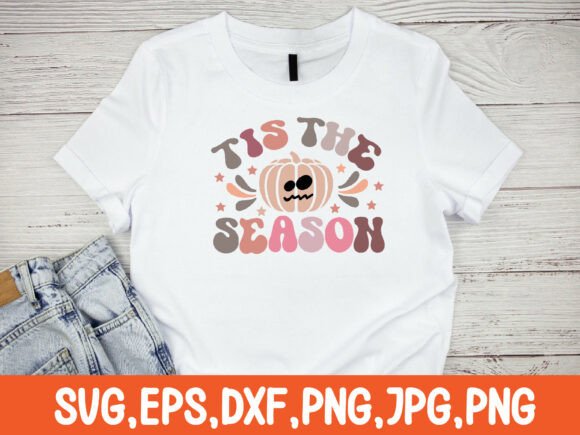
Home Sweet Home SVG Retro Design Review
As a designer who spends more time staring at stitch density charts and fabric swatches than actually sleeping, I have developed a fairly strict filter for digital assets. The market is flooded with generic clip art, but finding a design that translates well from screen to needle requires a specific kind of visual intelligence. That is why I decided to put the Home Sweet Home SVG Retro Design through its paces before recommending it for your next batch of handmade products or client work.
This isn't just about aesthetics; it is about functionality. When you are an Etsy seller or a craft business owner, your time is money. You need graphics that are not only visually appealing but also technically sound. Below is my practical evaluation of this asset, focusing on how it performs in real-world embroidery scenarios, from custom apparel to boutique merchandise.
First Impressions: Mood and Visual Personality
The moment you load the file, the "retro" aspect of the title becomes immediately apparent. This is not a minimalist, Scandinavian-style line drawing, nor is it a overly complex, ornate Victorian flourish. Instead, it carries a warm, nostalgic weight that feels grounded and inviting. The typography and accompanying shapes suggest a mid-century modern influence, which has been incredibly popular in home decor and lifestyle branding over the last few years.
For a designer, the layout is balanced. The phrase "Home Sweet Home" is integrated with graphical elements that likely include stars, hearts, or vintage flourishes (depending on the specific vector paths provided). The mood is cozy, domestic, and welcoming. It screams "hygge." This makes it an excellent candidate for projects aimed at creating a sense of comfort and belonging. Whether you are making gifts for new homeowners, baby showers, or housewarmings, the emotional resonance of this design is strong without being cliché.
Real-World Application: Where This Design Shines
I analyzed how the Home Sweet Home SVG Retro Design would look when digitized and stitched onto various substrates. Here is where it fits best:
- Custom Apparel and Sweatshirts: The retro vibe pairs perfectly with heavyweight cotton blends. Imagine this embroidered on the chest of a unisex crewneck sweatshirt in mustard yellow or forest green. The contrast between the thread colors and the fabric texture creates a premium feel that customers associate with high-quality handmade goods.
- Tote Bags and Canvas Goods: A classic use case. Because the design is likely clean and legible, it stands out well on natural canvas totes. It works as a standalone statement piece or part of a series of "home-themed" bags.
- Baby Items and Nursery Decor: The softness of the retro aesthetic makes it suitable for baby blankets, burp cloths, and nursery wall hangings. Parents love items that feel timeless rather than trendy, and this design hits that sweet spot.
- Kitchen Linens: Tea towels, aprons, and dishcloths are high-volume, low-cost items that sell well at craft fairs. This design adds a touch of personality to functional kitchenware, making it a great upsell item.
- Embroidered Patches: If the file includes a border or can be easily bordered, it translates well into iron-on patches for denim jackets or backpacks. This expands its utility beyond just home decor into fashion accessories.
Technical Considerations and Potential Pitfalls
No design is perfect for every situation. As an experienced reviewer, I must highlight where caution is needed. The success of any machine embroidery design depends heavily on execution.
Hoop Size and Scale: The product description notes dimensions of 15x18 inches. While this sounds large, ensure this refers to the digital canvas size and not necessarily the maximum recommended stitching area for your specific machine. If you are working with a smaller hoop, you will need to resize the design carefully. Resizing too much can distort the aspect ratio, making the text look squashed or stretched, which ruins the professional look of the finished product.
Fabric Texture and Stability: This design relies on clear lines and potentially dense fill areas. If you attempt to stitch this on highly textured fabrics like heavy bouclé wool or very loose-weave linen, the details may get lost. Always use a proper stabilizer—cut-away for stretchy fabrics like sweatshirt fleece, and tear-away for stable wovens like cotton twill. Without the right support, the fabric will pucker, and the "retro" charm will turn into a distorted mess.
Thread Color Contrast: The visual appeal of this design hinges on color choice. On dark fabrics, light threads are essential for readability. On light fabrics, darker or saturated threads provide the necessary pop. I recommend testing thread combinations on scrap fabric first. Avoid using similar tones (e.g., beige thread on cream fabric) unless you are going for a subtle tonal effect, which requires higher skill to execute cleanly.
Details That Matter: Stitch Density and Small Text
If the design includes small lettering or intricate decorative accents, pay close attention to the digitization quality. Tiny details often suffer during the stitching process if the stitch density is too low. Conversely, if the density is too high, the fabric may become stiff and uncomfortable, especially on garments like baby clothes or t-shirts. Check the running stitch and satin stitch settings if you are editing the file. Ensure that curves are smooth and that there are no unnecessary jumps or trims that could weaken the structure of the embroidery.
Impact on Product Value and Brand Consistency
Using a cohesive, well-designed graphic like the Home Sweet Home SVG Retro Design elevates your brand perception. In the world of Etsy sellers and small shop products, presentation is everything. Customers cannot touch the product before buying, so they rely on mockups and photos to judge quality.
A clean, professionally executed embroidery project signals attention to detail. It suggests that you care about the final result, not just the speed of production. This builds customer trust and encourages repeat business. Furthermore, because the design is editable and color changeable, you can maintain brand consistency across different product lines. You can match the thread colors to your shop’s branding palette, ensuring that your tote bags, pillows, and apparel all feel like part of a unified collection.
Practical Designer Notes for Success
Before you upload this file to your embroidery machine, follow these steps to ensure a flawless outcome:
- Test on Scrap Fabric: Never run a new design directly onto your final product. Use a scrap piece of the same fabric and stabilizer combination to check for puckering, tension issues, and color accuracy.
- Check Black and White Mockups: Convert the design to grayscale to see if the shapes remain distinct. If the design relies solely on color to differentiate elements, it may fail in monochrome thread schemes.
- Inspect Corners and Curves: Zoom in on the digital file. Are the corners sharp? Do the curves flow naturally? Any jagged edges in the SVG will translate into visible imperfections in the stitch path.
- Confirm Licensing: Since you are likely planning to sell finished items, verify the commercial use rights of the digital embroidery file. Some designs are for personal use only. Ensure you have the license to produce and sell physical goods made from this design.
- Use High-Quality Thread: Cheap thread breaks easily and lacks sheen. Invest in polyester or rayon threads that match your desired finish. For a retro look, matte polyester threads often provide a vintage aesthetic that shines less brightly than rayon.
Final Verdict
The Home Sweet Home SVG Retro Design is a versatile, emotionally resonant asset that fits seamlessly into the current landscape of handmade and personalized gifts. Its retro aesthetic appeals to a broad audience, and its technical structure appears suitable for a variety of embroidery projects.
It is particularly strong for custom apparel, tote bag design, and holiday embroidery projects. However, success depends on your preparation. Respect the fabric, choose the right stabilizer, and test your tensions. If you do, this design will help you create finished products that customers will cherish and display proudly. For designers looking to add a touch of warmth and nostalgia to their catalog, this is a solid addition to your design assets library.