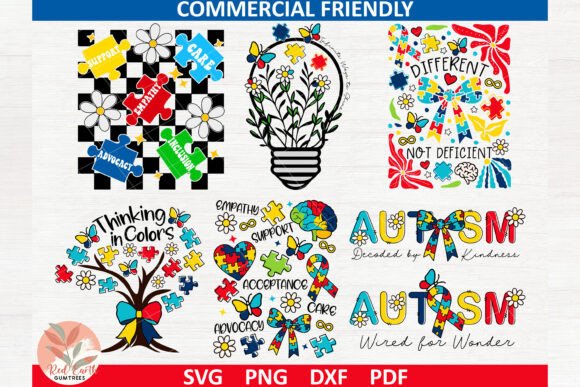
Autism Awareness Retro Coquette Svg Png Review
As a designer who spends half my life staring at stitch density charts and the other half worrying about whether a client’s chosen fabric will pucker under satin stitches, I approach every new digital asset with a healthy dose of skepticism. We are drowning in SVGs and PNGs these days, but finding one that balances aesthetic appeal with technical viability is rare. Recently, I pulled the Autism Awareness Retro Coquette Svg Png into my workspace to see if it had the legs to survive real-world embroidery production. This isn’t just another decorative clipart; it is a design that speaks directly to the current intersection of soft aesthetics and meaningful advocacy.
First Impressions: The Mood and Visual Personality
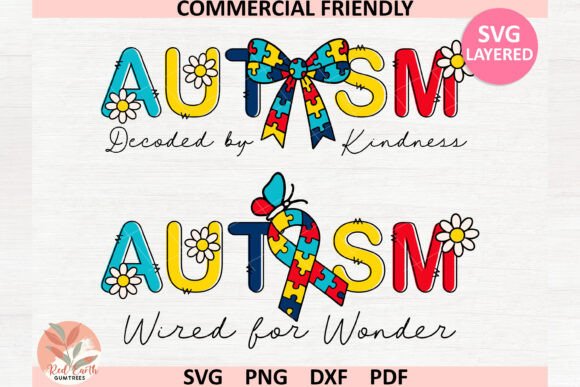
The moment this file unzipped, the visual language was clear. It taps into the "retro coquette" trend—a style characterized by delicate bows, soft curves, and a nostalgic 70s or 80s color palette—while anchoring itself in the serious mission of autism awareness. For designers and craft business owners, this is a tricky balance to strike. Too much "cute," and it loses gravity; too serious, and it alienates the modern maker market. This design manages to thread that needle effectively.
The layout feels intentional. It doesn’t scream for attention with chaotic elements but rather invites the viewer in with familiar, comforting shapes. The visual personality is warm, inclusive, and slightly playful. When I look at this embroidery project, I don’t just see a graphic; I see a finished product that could sit comfortably on a boutique shelf next to handmade jewelry or artisanal candles. It suggests a brand that cares about details and emotional resonance, which is exactly what today’s consumers are looking for.
Real-World Application: Where Does It Fit?
Let’s talk about practical use. I imagined this design being applied to several different mediums to test its versatility. My first scenario was a custom embroidered tote bag for a local autism support group fundraiser. The retro vibe pairs beautifully with canvas or heavy cotton blends, creating a sturdy, reusable item that people actually want to carry. The contrast between the structured tote and the soft, curvy lines of the coquette elements creates a pleasing tension that works well in both digital mockups and physical reality.
I also considered sweatshirt embroidery. A cropped hoodie or a vintage-wash crewneck featuring this design would likely perform very well on Etsy. The "coquette" aesthetic has massive traction with younger demographics, and combining it with autism awareness creates a powerful statement piece. It transforms a simple garment into a conversation starter. For small shop products, this kind of emotional connection is gold. It moves beyond a generic gift and becomes a symbol of solidarity.
Baby items were another strong contender. Embroidered onesies or burp cloths often rely on soft pastels and gentle motifs. This design’s inherent softness makes it an excellent candidate for baby embroidery projects. Parents are increasingly looking for personalized gifts that reflect their values, and a subtle, stylish representation of neurodiversity can be deeply appreciated. However, scale is key here; you wouldn’t want to overwhelm a tiny onesie with too many intricate details.
Technical Considerations for Stitching
From a technical standpoint, any experienced embroiderer knows that not all graphics translate equally well to thread. The Autism Awareness Retro Coquette Svg Png requires careful evaluation of its line weights and negative space. If the original vector art contains extremely thin lines or tiny text, those elements might get lost or distorted depending on your machine’s capabilities and the stabilizer used.
When preparing this as a machine embroidery design, you need to pay close attention to the stitch density. Areas that are dense with fill stitches can cause puckering, especially on lightweight fabrics like jersey or silk blends. I always recommend testing the design on scrap fabric first. Check how the satin stitch borders hold up against the fill stitch centers. If the transition is too abrupt, you may need to adjust the underlay settings in your embroidery software to ensure a smooth finish.
Another critical factor is thread colors. The retro theme likely calls for specific hues—perhaps muted teals, soft pinks, or creamy whites. Choosing the right thread colors is essential for maintaining the intended mood. A stark white thread on a pastel background can look harsh, while a cream thread might blend too seamlessly. Test your color combinations in black and white mockups to check contrast levels before committing to a full production run.
Where to Be Careful: Limitations and Challenges
No design is perfect for every situation. There are certain scenarios where this embroidery file might struggle. Small hoop sizes are a primary concern. If you attempt to digitize or stitch this design in a very small area, such as on a baseball cap brim or a tiny pocket square, the intricate details may become muddy. The fine lines of the coquette bows could merge together, losing their definition.
Textured fabrics also pose a challenge. While the design looks stunning on smooth cotton or denim, rough textures like tweed or bouclé can obscure the finer details of the artwork. Similarly, stretchy fabrics require extra stabilization. Without proper backing, the tension from the running stitch or applique design elements could distort the fabric grain, leading to a warped final product.
Dense stitch areas should be monitored closely. If the design includes large blocks of solid color, ensure your machine can handle the thickness without breaking needles or jamming threads. For commercial embroidery projects, durability is paramount. Products that need frequent washing, like aprons or kitchen towels, must be stitched with robust techniques to prevent fading or fraying over time.
Impact on Brand and Customer Trust
Using a high-quality, thoughtfully designed asset like this can significantly boost your brand consistency. Customers can tell the difference between a rushed, low-resolution print and a carefully executed embroidery job. When you present a finished product that looks professional and polished, you build trust. Buyers feel confident that they are investing in something made with care and expertise.
Furthermore, designs that carry a message of awareness resonate deeply with communities. By offering this as part of your craft business inventory, you align yourself with positive social values. This can enhance buyer engagement and foster loyalty. People don’t just buy the item; they buy into the story and the sentiment behind it. Whether it’s a holiday gift, a wedding favor, or a personal keepsake, the emotional weight adds value beyond the material cost.
Final Verdict
The Autism Awareness Retro Coquette Svg Png is a versatile and emotionally resonant asset that deserves a spot in any serious designer’s library. It bridges the gap between trendy aesthetics and meaningful purpose, making it suitable for a wide range of applications from tote bag design to commercial embroidery pieces. Just remember to respect the technical limitations, test thoroughly, and choose your materials wisely. With proper execution, this design can help you create memorable, high-value products that stand out in a crowded marketplace.
Before listing this as a small shop product or using it in your own handmade product line, double-check the licensing terms. Ensure you have the right to sell finished goods if that is your goal. Confirm the file formats included—SVG, PNG, DXF, and PDF offer flexibility for both digital design assets and direct stitching. Take the time to inspect the vectors, adjust the scale if necessary, and prepare your stabilizers. Done correctly, this design will reward your efforts with a beautiful, impactful result.